Category Archives: TVET & Vocational Training – Malaysian News

Minister: More than 60pc of jobs require technical and vocational education and training by 2020

Datuk Seri Richard Riot Jaem said the government is targeting to create about 1.5 million new jobs by 2020, with 60 per cent of them requiring those having Technical and Vocational Education and Training (TVET). — Picture by Zuraneeza Zulkifli

Datuk Seri Richard Riot Jaem said the government is targeting to create about 1.5 million new jobs by 2020, with 60 per cent of them requiring those having Technical and Vocational Education and Training (TVET). — Picture by Zuraneeza ZulkifliSERIAN, March 24 — The government is targeting to create about 1.5 million new jobs by 2020, with 60 per cent of them requiring those having Technical and Vocational Education and Training (TVET), said Human Resource Minister Datuk Seri Richard Riot Jaem.

This, he said, made TVET and important platform to enhance the skills of Malaysian work force, with 35 per cent of the skilled workers to be produced by 2020.

Towards this end, he said, the government under the leadership of Prime Minister Datuk Seri Mohd Najib Tun Razak had emphasised the need to alleviate TVET to mainstream education and with that, appointed the ministry as coordinator of TVET Malaysia.

“TVET is now seen as among the competitive field,” he told a media conference after officiating the ground-breaking ceremony for the Serian Industrial Training Institute (ILPS) here today.

He said diverse employment opportunities awaited TVET graduates, as well as to venture into business and become digital technopreneurs.

According to Riot, currently, 28 per cent of the Malaysian work-force were highly-skilled, and efforts would be made to increase it to 35 per cent in 2020.

He advised students to undertake skills training to make it easier for them to obtain jobs.

On the Serian ILP Serian project, Riot said it would be built on a  56.76 acre site in Kampung Tenggak, Serian, and cost RM300 million.

Construction work on the project would begin in May this year and expected to complete in 33 months, he said.

Riot said the ILP in Serion was scheduled to be in operation in 2021 and could accommodate 600 trainees at one time.

The Serian ILP will be the fourth in Sarawak, after the one in Miri, Kota  Samarahan and Bintulu.

Source: Bernama

Gaji minimum graduan TVET dicadang dinaikkan kepada RM3,500

Gaji minimum graduan TVET dicadang dinaikkan kepada RM3,500

Ahmad Zahid mencadangkan gaji minimum bagi tenaga kerja mahir lepasan Latihan dan Pendidikan Teknikal dan Vokasional (TVET) dinaikkan daripada RM1,200 kepada sekurang-kurangnya RM3,500.

KUALA LUMPUR: Timbalan Perdana Menteri, Datuk Seri Ahmad Zahid Hamidi mencadangkan gaji minimum bagi tenaga kerja mahir lepasan Latihan dan Pendidikan Teknikal dan Vokasional (TVET) dinaikkan daripada RM1,200 kepada sekurang-kurangnya RM3,500.

Langkah itu jelasnya, bagi menyelaraskan gaji minimum pekerja mahir dari luar negara yang kini memperoleh gaji minimum lebih daripada angka berkenaan.

“Kalau kita lihat kini pekerja mahir yang mendapat kelulusan khas expatriate oleh Imigresen Malaysia mesti mempunyai gaji minima RM3,500. Jadi kita kena samakan (gaji pekerja mahir tempatan) dengan pekerja mahir luar sekurang-kurangnya RM3,500.

“Tentunya kita mesti menaikkan kadar gaji minima pekerja mahir ini menyamai sekurang-kurangnya seperti pekerja expatriate luar negara,”katanya dalam sidang media selepas melancarkan Ekspo  TVET Malaysia 2018 di Pusat Dagangan Dunia Putra (PWTC) di sini hari ini.

Dalam pada itu, Ahmad Zahid juga mencadangkan Majlis TVET Msia diwujudkan seperti mana yang diumumkan Perdana Menteri, Datuk Seri Najib Tun Razak untuk  memperlihatkan keprihathinan kerajaan dasar program berkenaan.

Sehubungan itu satu kertas memorandum mengenai Majlis TVET Malaysia akan disediakan oleh Menteri Sumber Manusia, Datuk Seri Richard Riot sebelum dibentangkan di peringkat kabinet.

“Jika dipersetujui jemaah menteri, saya akan mempengerusikan Majlis TVET Malaysia, bukan sahaja koordinasi, tetapi juga pengiktirafan oleh sebuah badan khusus dapat dilakukan bagi membolehkan kebolehpasaran guna tenaga yang tidak diselaras,” ujarnya.

Tambahnya, Malaysia mensasarkan gaji minima tenaga kerja mahir lepasan TVET akan mencapai RM5,000 pada tahun 2030.

“Ini menggalakkan lebih ramai guna tenaga masuk ke bidang TVET ini. Saya juga mencadangkan selain kemahiran yang akan diperoleh melalui kursus , mereka perlu diberi peluang untuk dapat diploma dan ijazah supaya kombinasi ini akan membolehkan mereka berada di tahap yang sepatutnya” kata beliau lagi.

Ahmad Zahid juga menegaskan TVET bukan lagi pilihan kedua, sebaliknya menjadi pilihan pertama.

Ketika ini katanya, guna tenaga mahir Malaysia mencatatkan 28 peratus dan Malaysia mensasarkan untuk mencapai 43 peratus tenaga kerja mahir apabila negara mencapai status negara maju.

Sumber: http://www.astroawani.com

Komen: Timbalan Menteri kita ni pandai, bukan syiok sendiri, tapi nak anak-anak muda kita syiok sendiri (kan PRU dah dekat?). Kalau saya tak salah mentafsir kenyataan beliau, gaji minima bermaksud graduan yang masih mentah pun mula dengan RM3,500?
Tanyalah pengurus sumber manusia, majikan dan rata-ratanya orang ramai yang sudah jejak dunia pekerjaan, adakah kebanyakan graduan kini, tak kira kemahiran ke akademik, layak?
Kelemahan bahasa, komunikasi, sikap dsbgnya menjadi punca saya kata kebanyakannya tidak layak. Ini kerana produktiviti mereka tidak akan setimpal dengan gaji minima yang akan dibayar (jika RM3,500).
Tidak boleh dinafikan ada segolongan kecil graduan yang layak namun saya rasa ia adalah minoriti.

Apa pula kata anda?

Riot Dismisses Claims That TVET Problematic, Not Systematic

Pic: NST (Human Resources Minister Datuk Seri Richard Riot Jaem (2nd from right) with Education Minister Datuk Seri Idris Jusoh (3rd from right) attend the Technical and Vocational Educational Training (TVET) Malaysia Ministerial Coordination Committee Meeting in Cyberjaya.)Pic: NST (Human Resources Minister Datuk Seri Richard Riot Jaem (2nd from right) with Education Minister Datuk Seri Idris Jusoh (3rd from right) attend the Technical and Vocational Educational Training (TVET) Malaysia Ministerial Coordination Committee Meeting in Cyberjaya.)

KUALA LUMPUR: Human Resources Minister Datuk Seri Richard Riot Jaem today described reports that the Technical and Vocational Educational Training (TVET) was problematic with no uniformity, as inaccurate.

He said seven ministries involved – the Human Resources, Higher Education, Education, Youth and Sports, Rural and Regional Development, Works and the Agriculture and Agro-based Ministries – had all agreed to develop a synergised programme for TVET.

Riot said this was in line with Prime Minister Datuk Seri Najib Razak’s announcement on the implementation of TVET on Sept 27 last year and during the tabling of Budget 2018.

“This is further strengthened by the ministerial level TVET Malaysia Coordination Committee Meeting held on Jan 16, which was also attended by industry representatives,” said Riot.

“We had also agreed to implement TVET Malaysia in a more coordinated way, headed by the Human Resources Ministry.”

In a statement issued by the Human Resource Ministry today, Riot also said the allocation of RM4.9 billion through Budget 2018 proved the government’s strong commitment towards the implementation of TVET, to be utilised by the seven ministries involved.

“The Human Resources Ministry is now increasing efforts to identify issues and problems, implement programmes and initiatives and set objectives in terms of direction through the collaborative efforts between the seven ministries,” said Riot.

“This is to ensure the implementation of TVET Malaysia is in line with the domestic and international economic landscape, technological developments and requirements under the Industrial Revolution 4.0.”

Riot said, the Jan 16 meeting had also determined the need to increase skilled labour from 28 percent in 2015 to 35 percent by 2020, and consequently the need to increase the quantity and quality of TVET qualified workers to 225,000 in 2020, from 164,000 five years earlier.

He said the TVET Council, which is to be chaired by the Prime Minister, will act as the highest authority in determining the policies, implementation and coordination of TVET Malaysia.

– NST

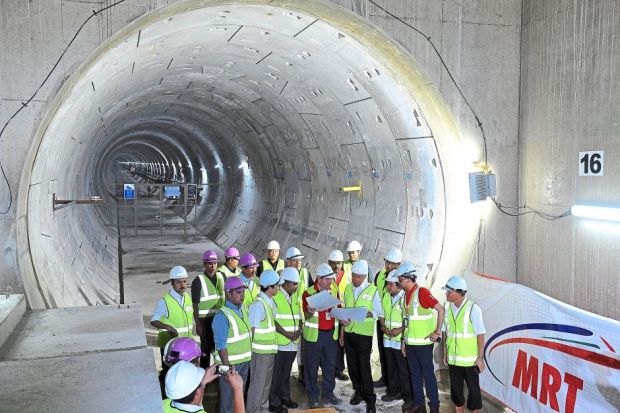
JTM, Gamuda dan Yayasan Peneraju Jalin Kerjasama Strategik Lahir Tenaga Kerja Mahir Projek MRT

Sumber imej: The Star Online

KUALA LUMPUR, 24 Jan (Bernama) — Jabatan Tenaga Manusia (JTM), Gamuda Berhad dan Yayasan Peneraju Pendidikan Bumiputera baru-baru ini telah menjalinkan kerjasama strategik untuk melahirkan tenaga kerja mahir projek Mass Rapid Transit (MRT).

JTM dalam satu kenyataan berkata, kerjasama strategik ini merupakan latihan industri di bawah Program JTM – Peneraju Skill Iltizam iaitu program yang menjanjikan graduan lepasan TVET daripada Institusi Latihan Jabatan Tenaga Manusia (ILJTM) peluang pekerjaan dalam pembinaan 11 stesen bawah tanah untuk projek MRT Laluan Sungai Buloh-Serdang-Putrajaya (SSP) yang dijangka akan disiapkan menjelang tahun 2022.

“Menyedari akan kepentingan serta keperluan sumber tenaga manusia daripada kalangan warga tempatan dalam melaksanakan projek ini, JTM telah diberi mandat oleh Yayasan Peneraju melalui Program JTM – Peneraju Skill Iltizam bagi melatih bakal pekerja untuk berkhidmat dengan Gamuda Berhad dalam dalam projek MRT sebagai Tunnel Crew, Erector Operator dan Assistant Mechanic,” demikian menurut kenyataan itu.

JTM katanya telah merangka strategi yang khusus dalam melaksanakan Program JTM – Peneraju Skill Iltizam ini yang akan dilaksanakan pada tahun 2018.

Program ini akan melibatkan lima buah institusi yang terpilih iaitu Pusat Latihan Teknologi Tinggi (ADTEC) Kemaman, ADTEC Bintulu, Institut Latihan Perindustrian (ILP) Pedas, ILP Kota Samarahan dan ILP Kota Kinabalu.

Seramai 280 orang belia Malaysia disasarkan mengikuti latihan untuk tahun ini dan mereka akan menjalani latihan intensif selama tiga bulan di ILP dan ADTEC dan akan menjalani Latihan Industri (LI) yang khusus dalam bidang Tunneling selama tiga bulan di Gamuda’s Tunnelling Training Academy (TTA), Selangor.

Peserta yang berjaya tamat latihan akan diberi sijil ‘Skills Proficiency Certificate’ oleh City & Guilds, United Kingdom sebelum diserap menjadi sebahagian daripada krew pembinaan Projek MRT.

JTM berkata selain daripada menyediakan pekerja kepada Projek MRT, kerjasama strategik antara ketiga-tiga pihak ini juga membolehkan 200 orang belia tempatan mengikuti program Peneraju Skil Iltizam Industralised Building System (IBS) Production Technician di ILP Kuala Terengganu.

Sistem Binaan Berindustri (IBS) juga dikenali sebagai pembinaan pasang siap digunakan secara meluas di negara-negara maju kerana kaedah ini membolehkan komponen-komponen binaan dihasilkan di kilang dalam persekitaran terkawal dan dihantar ke tapak pembinaan untuk dipasang menjadi struktur dengan tenaga kerja yang minimum.

Teknologi IBS Ini secara tidak langsung dapat meningkatkan kualiti bangunan dan kerja, mengurangkan penggunaan buruh asing di tapak projek serta mempercepatkan kerja pembinaan. Melalui program ini, peserta akan mengikuti latihan kemahiran serta LI selama 5 bulan sebelum diambil sebagai pekerja IBS di Gamuda Berhad.

Sementara itu, JTM berkata penglibatan Yayasan Peneraju di dalam kerjasama ini membolehkan peserta mengikuti program ini secara percuma, selain diberikan elaun bulanan sepanjang latihan.

Program-program TVET yang ditawarkan bukan sahaja membolehkan kemahiran spesifik kepada pekerjaan dapat dikuasai dalam tempoh yang singkat, malah ianya membolehkan mereka terlibat secara langsung dalam industri pembinaan di negara ini.

Selari dengan visi JTM iaitu menjadi organisasi peneraju dalam membangunkan tenaga kerja yang berdaya saing, Program JTM – Peneraju Skil Iltizam diharap dapat melahirkan warga tempatan yang berkemahiran serta mampu memenuhi keperluan industri pembinaan.

–BERNAMA

Rosy future for mobile eSports

GAMING is a beloved pastime for many today. It’s entertaining and engaging as compared with watching television or listening to the radio.

A subset of gaming that has taken the world by storm is eSports. It is still gaming except that it’s hardcore competitive in nature. We have seen eSports grow into a global phenomenon but it doesn’t end there. It is expected to become even bigger in 2018, and here’s why.

RISE OF MOBILE ESPORTS
One of the key factors that is pushing the eSports scene in Malaysia and the rest of the world is Mobile eSports. Typically, the eSports scene will focus on games such as DotA 2, League of Legends and Fifa, but with smartphones becoming more and more powerful, it allows for more complex games to be played on the device.

In fact, we saw a number of mobile eSports tournaments last year such as the Mobile Legends Southeast Asia Cup at Tropicana City Mall, Petaling Jaya with a prize pool of US$10,000 (RM40,000), Season 3 of Vainglory Malaysia League at Cyberjaya, and the Garena Arena of Valor tournament in Kuala Lumpur with a prize pool of RM70,000.

It is true that Mobile eSports has still not cemented its place in the scene but it is the most accessible game to the masses since it just involves the use of a smartphone.

According to former MBT Talon eSports player Keegan “Keegs” Tan, “eSports will definitely grow this year since eSports-oriented games are getting more and more accessible with the advent of mobile games. It acts as a gateway to expose people to eSports.”

With Mobile eSports expected to move forward, it’s not hard to see why this will be a major driving force for the success of the local eSports scene.

GAME-BASED EDUCATION
Another factor contributing to the success of eSports in Malaysia is the establishment of a few eSports and gaming-based education programmes. The first is the year-long Riot Games Student Ambassador Program which is available in 28 universities across Malaysia.

Students work to nurture the growth of League of Legends communities in their respective campuses via tournaments and community events. They will be given a healthy budget to manage that.

Then there’s the Garena Student Alliance programme that aims to empower student gamers to build a thriving gaming community and eSports scene in their respective campuses. It is very similar in nature to the Riot Games programme, and both aim to equip students with real-world skills such as Public Relations and Events Management while exposing them to real world eSports scenarios.

There’s also the Johor-based Academy of eSports. At the moment, two vocational certificate programmes are offered; Professional eSports Athlete and eSports Events Management. Not only will you be educated and trained by experienced eSports professionals, you are also given a certificate at the end of the stint to prove your competency and give yourself a career boost.

BIG MONEY
It is no secret that eSports has the potential to bring in lots of revenue. At Level UP KL 2017, vice president of Malaysia Digital Economy Corp’s Creative Content and Technologies, Hasnul Hadi Samsudin, said Malaysia has recorded earnings of RM1.2 billion in games export alone. This number is expected to increase in the coming years.

Coming from their efforts in the Malaysian eSports scene as of last year, Garena’s partnership manager, Fern Yeap, said: “In Malaysia, there is growing support from commercial brands, the media and government as well as the community. The collaboration between all stakeholders increases exposure and awareness, which in turn expands resources and legitimacy for the local scene.”

She added that Southeast Asia’s current title as the fastest growing region for eSports gives it more opportunities for local eSports to scale both regionally and internationally. “Consultants and industry experts are predicting eSports’ continuous growth for the years to come.” said Yeap.

In simpler terms, there has been an increase in support for eSports which in turn brings in more revenue. This inadvertently will turn eSports into a bigger phenomenon.

SOLIDIFIED PRESENCE
Despite how big it has become, eSports is still largely a growing industry in Malaysia. Stakeholders like MDEC has been pushing for the growth of local eSports industry to put Malaysia as the regional games hub of Southeast Asia under the #MYGAMEON initiative.

In December last year, Youth and Sports Minister Khairy Jamaluddin announced that the National Sports Council will form a special unit to promote the eSports arena in Malaysia. “A new unit at MSN will be set up to look at eSports as it will be featured at the 2022 Asian Games. eSports has already been recognised as a sport by The Olympic Council of Asia and we cannot be left behind in training our athletes,” said Khairy.

While not much is known about the formation of the eSports unit, it will definitely be a game changer as far as eSports is concerned.

Professional gamer Ashley “Vause” Foo from the M8 Tempest eSports team feels that the formation of the eSports unit will “help in changing public perception of eSports.

“ It will promote healthy gaming habits, such as eSports centres closing by midnight, which is currently being practised by The Pantheon eSports Centre, which will then increase society’s acceptance, and eventually, turn Malaysia into a major eSports tourist destination.”

CONCLUSION
With commitments shown by the major stakeholders including government agencies, we can expect eSports to grow bigger. We also have a diverse talent pool that is competitive enough in the global stage, to do the country proud.

In fact, Malaysia created history at DotA 2 – The International 2017 when a team was placed third at the event, earning more than US$2.6 million prize money. That is a testament to how capable we are in the eSports scene.

With growing popularity and booming revenue potential, it’s game on for the local eSports industry.

Source: https://www.nst.com.my/lifestyle/bots/2018/01/322931/rosy-future-mobile-esports
By Aiman Maulana
 – 

Comment: There is an effort to develop eSports NOSS, so for those who are in the industry who plan to set up an academy and offer a nationally recognised certificate (Sijil Kemahiran Malaysia – SKM) in eSports, be prepared for it.

KOLEJ VOKASIONAL MELAHIRKAN PEKERJA BERKEMAHIRAN & MEMBINA ‘BUSINESS LEGACY’

KV Melahirkan Pekerja Berkemahiran

Keputusan Peperiksaan PT3 baru sahaja berlalu. Saya yakin dan percaya, calon calon telah berpuas hati denganhasil pencapaian mereka setelah 3 tahun berhempas pulas dalam mencari dan menghasilkan kejayaan. Tidak ketinggalan terdapat juga air mata ibu bapa yang mengalir kerana kejayaan anak anak mereka.

Sebagai seorang guru, PT3 bagi saya merupakan satu cara menghalakan pelajar ke bidang yang di minati mereka. Pentaksiran PT3 adalah berdasarkan penilaian dalaman. Ini bermaksud guru guru sendiri yang menilai calon calon ini dan dalam masa yang sama bimbingan diberi sepenuh jiwa

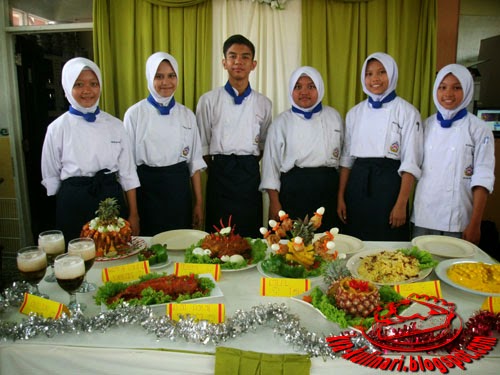
Adik saya merupakan pelajar cemerlang PT3 2016 di SMK TALIB KARIM, Alor Gajah, Melaka. keputusannya untuk ke KV sangat memeranjatkan saya. Pada awalnya memang saya tidak setuju dia melanjutkan pelajarnnya di KV atas beberapa perkara.

Kini beliau sedang mengikuti Program KV dalam bidang KULINARI.

Antara perkara utama yang saya tidak setuju dia ke KV ialah, Pelajar lepasan Kolej Vokasional (KV) tidak layak melanjutkan pengajian ke peringkat ijazah sarjana muda meskipun mempunyai Diploma Vokasional Malaysia (DVM) kerana universiti awam (UA) tidak mengiktiraf diploma terbabit.

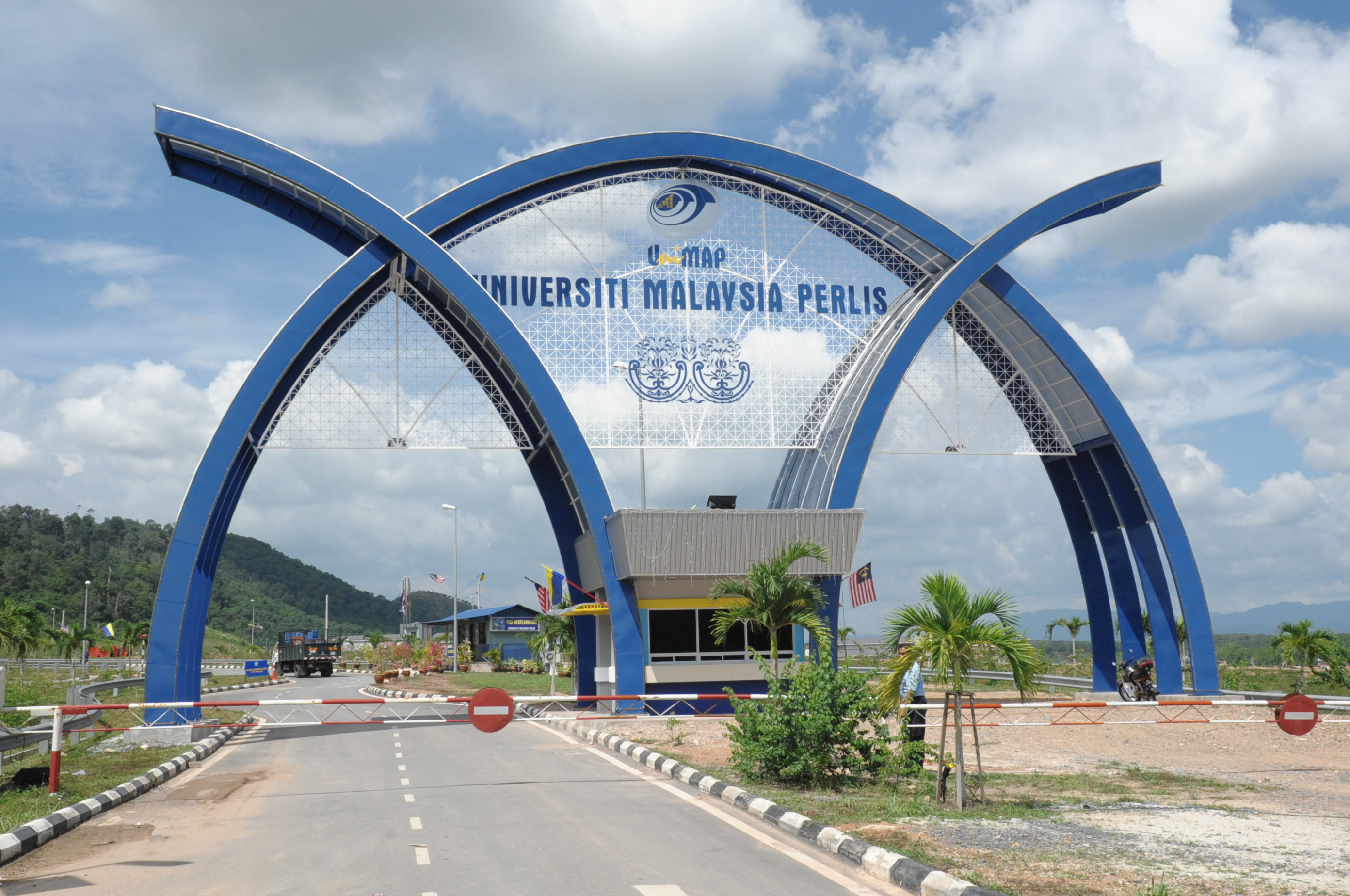
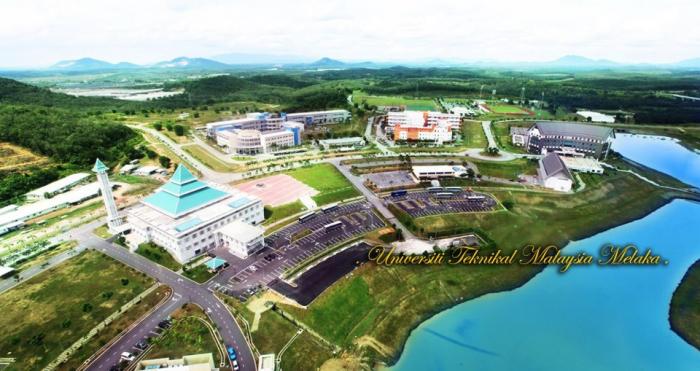
Rangkaian Universiti Teknikal Malaysia (MTUN), iaitu

1) Universiti Malaysia Perlis (UNIMAP)
2) Universti Teknikal Malaysia (UTeM)
3) Universiti Malaysia Pahang (UMP)
4) Universiti Tun Hussein onn (UTHM)

menetapkan antara syarat kelayakan untuk memasuki program ijazah sarjana muda ialah mempunyai Sijil Pelajaran Malaysia (SPM), namun graduan DVM tidak menduduki peperiksaan itu.

Ini kerana pelajar terbabit memasuki KV menggunakan keputusan Pentaksiran Tingkatan 3 (PT3) dan mengikuti kursus kemahiran itu selama empat tahun tanpa perlu menduduki SPM untuk memperoleh DVM.

Tetapi ini bukan masalah yang besar. saya percaya aliran KV ini merupakan aliran yang baru. Carta alirnya tidak sama seperti pelajar yang ambil akademik sepenuhnya seperti SPM.

===============================================
CARTA ALIR KV – IBU BAPA & CALON KV PERLU TAHU !
===============================================

Pelajar KV mempunyai perjalanan mereka tersendiri. Perjalanan mereka amat berbeza dengan pelajar akademik. Bagi saya mana mana pilihan mempunyai risiko. Jika ambil jalan SPM tapi malas belajar, apa gunanya. Betul tak ?

Persoalannya bagaimana pelajar KV ingin teruskan pengajian mereka ke peringkat seterusnya ?. Graduan Kolej Vokasional (KV) perlu memenuhi beberapa kriteria ditetapkan Kementerian Pendidikan Tinggi (KPT) untuk membolehkan mereka melanjutkan pengajian ke peringkat Ijazah Sarjana Muda.

Antara kriteria itu ialah:

* Mempunyai pengalaman bekerja selama dua tahun untuk mendapat Sijil Program Akreditasi Pembelajaran Berasaskan Pengalaman Terdahulu (APEL), atau

* Memiliki kelayakan Sijil Vokasional Malaysia (SVM) yang sudah disetarakan oleh Lembaga Peperiksaan (LP) kepada Sijil Pelajaran Malaysia (SPM) 3 kredit, iaitu memperoleh Purata Nilai Gred Keseluruhan (PNGK) Akademik: 3.33; PNGK Vokasional: 3.67; kepujian dalam Bahasa Melayu dan kompeten semua Modul Vokasional.

Selepas memperoleh keputusan itu, graduan KV perlu mendapat kelulusan khas daripada KPT sehingga akreditasi penuh program diploma diperoleh.

Maka di sini, pelajar perlu tahu perjalanan mereka dan visualkan ke mana aku selepas ini dan apa yang aku nak capai ?

Bila anda visualkan perjalanan anda, barulah anda nampak jalan dan keyakinan akan menjelma bagi mendorong diri anda menuju kejayaan.

============
KELEBIHAN KV
=============

Kementerian Pendidikan dalam kenyataannya berkata, 83.1 peratus graduan KV mendapat pekerjaan mengikut bidang pilihan dalam tempoh tiga bulan selepas graduasi, sekali gus membuktikan mereka menerima pengiktirafan daripada industri.

Kementerian itu menekankan Transformasi Pendidikan Vokasional (TPV) bertujuan mengarusperdana pendidikan vokasional setanding dengan aliran pendidikan perdana.

Pengarah Bahagian Pendidikan Teknik dan Vokasional (BPTV), Zainuren Mohd Nor, berkata kira-kira 83 peratus daripada 2,273 pelajar lepasan KV berjaya memperoleh pekerjaan dalam bidang berkaitan sebaik tamat pengajian, Disember lalu.

Katanya, data yang direkodkan oleh KV itu adalah berdasarkan pelajar kohort pertama yang sudah memperoleh Diploma Vokasional Malaysia (DVM) pada 2016.

Beliau berkata, jumlah tinggi pelajar KV yang diterima bekerja dalam tempoh dua bulan selepas tamat pengajian menunjukkan kursus ditawarkan KV memenuhi kehendak industri.

“Jumlah graduan DVM yang mendapat pekerjaan adalah lebih tinggi berbanding sasaran awal yang ditetapkan iaitu sebanyak 70 peratus bekerja, 20 peratus menyambung pengajian ke peringkat lebih tinggi dan 10 peratus lagi menjadi usahawan.

“Bagaimanapun, data yang diperoleh menunjukkan perkembangan memberangsangkan apabila 83 peratus pelajar ditawarkan bekerja oleh pihak industri dan ini membuktikan kursus kemahiran di KV menepati matlamat penubuhan KV iaitu melahirkan tenaga kerja mahir,” katanya

Dengan kata lain , saya dapat ringkaskan kelebihan KV ;

1. Lebih fokuskan pelajar ke arah apa yang diminati

2. Pertingkatkan kemahiran yang ada pada pelajar sehingga capai kepada berkemahiran tinggi (pakar)

3. Kemahiran yang ditawarkan di KV merupakan permintaan TINGGI dalam pelbagai industri di Malaysia

4. Pelajar KV mudah membawa diri kerana mereka lebih praktikal

============
KESIMPULAN
============

Akhir kata sebagai seorang guru, saya dapati prog KV ini sangat bagus bagi pelajar yang ingin ke hadapan dalam dunia kemahiran dan praktikal.

Jika di zaman saya, Nilai dan kuantiti A dipandang tinggi. Tetapi bila di universiti plagiat dia lahh ‘hero’ nya. Suruh buat presentation terketar ketar. Akhirnya ilmu sebagai teori sahaja. Ijazah yang utama. janji grade.

Setelah tamat Ijazah ke hulur ke hilir bawa ijazah untuk mohon kerja. Online sana online sini mohon kerja. Bila tak dapat kerja barulah nak belajar jual burger, atau apa apa berkaitan kemahiran atau praktikal.

Tetapi tidak bidang atau program KV. program ini sangat menarik kerana menyediakan dari awal bagaimana nak teruskan kehidupan dalam dunia yang penuh pancaroba ini dan ekonomi tak menentu.

Yang pasti calon KV dan ibu ayah perlu hadam dan fahamkan perjalanan calon KV agar di pertengahan tiada penyesalan dan di akhir pengajian tiada kehampaan.

KREDIT: MOHD FADHLI BIN OTHMAN

Lack of information hampers vocational training push

Vocational schools provide youths opportunities to acquire skills, such as hair styling and also small business opportunities. — Bernama picVocational schools provide youths opportunities to acquire skills, such as hair styling and also small business opportunities. — Bernama pic

IPOH, Nov 25 — Lack of information and inadequate career guidance have contributed to the decline of non-academically inclined secondary students taking up vocational courses.

Most said they were unaware of Technical and Vocational Education and Training (TVET) after completing their Form Three.

Kalaiarasan Pandian, 19, from Kampar, said he wasn’t aware of TVET programmes when he chose to stop schooling after Form Three.

“I was not aware of TVET courses and even my teachers did not suggest I take up vocational training.

“They only persuaded me to complete my studies until Form Five,” he told Malay Mail recently.

He also said he did not know where the TVET institutions were, and this hampered the process of applying for courses offered.

Kalaiarasan, now employed as a motorcycle mechanic, said he quit studying as his academic results were not up to mark and his parents could not provide financial support to further his studies.

On Monday, Deputy Education Minister Datuk P. Kamalanathan said only seven per cent of students across the country took up TVET after Form Three.

He also said the ministry took various steps to increase rural students’ enrolment in vocational colleges.

The measures were gaining popularity following broadcasts over radio channels, newspaper advertisements and collaboration with non-governmental organisations.

Teenager, Veenod Nathan,18, from Pusing, Perak, said he did not know about the TVET programme as there wasn’t much promotion on it.

“I’m not aware of  TVET courses and the vocational schools that I know are from my home.

“I quit school two years ago as I wasn’t performing well in studies and at the same time my father met with a bad accident.

“He could not go to work and I have to support my family by working,” he said.

Veenod who is working as a labourer in a warehouse said students who fared poorly in their studies might go for vocational courses if proper guidance were given to them.

Khoo See Nee, 28, who is also a school drop-out, lamented that vocational training such as TVET was not available during her schooling days.

“If I had this option back then, I would definitely have taken up vocational training,” she said.

Khoo said she did not pursue any other vocational education after coming out of school as her guardians could not support her.

Another dropout, who wished to be only known as Derrick, said he felt he had no purpose in life after gaining his SPM last year.

“I did not know what to do and I ended doing various jobs merely to pass time,” the 19-year-old said.

A relative then introduced Derrick to vocational studies.

Currently undergoing training to repair air conditioners and refrigerators in Kuala Lumpur, Derrick took a loan from Kojadi to subsidise the RM20,000 needed for the course.

Meanwhile, MCA Youth vocational education bureau committee member Jimmy Loh blamed parents and students for the lack of interest in vocational training.

“Parents prefer their children to follow the traditional path which can land them a degree but they are not aware that you can also earn a degree from vocational courses,” he said.

Students, he said, were not bothered to seek out information about vocational courses.

Source: http://www.themalaymailonline.com


Comments:

Well, not sure whether the students are internet savvy or not, if they are, hope they are able to see this article & here’s the directory of all the JPK Accredited Centres offering TVET programs in Malaysia, private & public.

As for funding, besides Kojadi (refer below), there are other avenues like
1) PTPK (Perbadanan Tabung Pembangunan Kemahiran),
2) SOCSO (children with parents that is)
a) Pencen ilat for contributors that is permanently disabled
b) Pencen penakat for widows
3) Respective state education funds


KOJADI

INTEREST CHARGES

  • Interest will be charged to the applicant’s loan account immediately after the disbursement of the loan.
  • The interest rate for the loan will be as follows :

For existing member of KOJADI with minumum 5 years membership:

1st year (Upon First release of loan) – 5.8% (on a monthly rest and reducing balance basis)

2nd year onwards until full settlement – 6.8% (on a monthly rest and reducing blance basis)

5.8% ~ 6.8% equivalent to 4.5% flat rate

For new member:

1st year (Upon First release of loan) – 6.8% (on a monthly rest and reducing balance basis)

2nd year onwards until full settlement – 7.8% (on a monthly rest and reducing blance basis)

6.8% ~ 7.8% equivalent to 5.8% flat rate

SERVICE OF LOAN INTEREST

Under specified circumstances, loan borrower is required to service loan interest during study period. The monthly interest is between RM100-RM300 depending on the loan amount applied for based the following table :-

Loan AmountYesNo
Below RM25,000O
RM30,000O (Course duration > 2 years)O (Course duration < 2 years)
Above RM35,000O

REPAYMENT OF LOAN

The founding objective of KOJADI is to pool the resources among its members for mutual benefits. Prompt repayment of the loan will enable KOJADI to give similar financial aid to other members for further study.

The repayment of the loan will begin three (3) or six (6) months after graduation and the maximum repayment period shall not exceed 8 years.Depending on the amount of loan and the type of the loan, repayment will be as follows:
  • 1st year – RM200 or RM300 per month
  • 2nd year – RM300 or RM400 per month
  • 3rd year – RM400 or RM500 & above perm onth until full settlement
  • OR equal monthly instalments until full settlement.

FURTHER INFORMATION

The above particulars are subject to change. For further information, please call at out office at

Koperasi Jayadiri Malaysia Berhad (KOJADI)
11th Floor, Wisma MCA,
163 Jalan Ampang,
50450 Kuala Lumpur. Road Map
Tel : 03 – 2161 6499 (Membership and Loan Department)
Fax : 03 – 2162 1413

E-mail :
For Membership related enquiries : member@kojadi.com.my
For Education Loan application related enquiries : loan@kojadi.com.my


Ever-expanding roles, responsibilities of MOHR

Riot believes that his ministry has provided a holistic solution to the skilling, upskilling and reskilling of the nation’s workforce.

KUCHING: It comes as no surprise that the Ministry of Human Resources (MOHR) holds many duties under its purview, being the authority in charge of the Malaysian workforce.

The ministry is responsible for skills development, labour, occupational safety and health, trade unions, industrial relations, industrial court, labour market analysis and social security — to name a few — and these responsibilities continue to grow with each new facet introduced, as roles of human resources evolve with time and technology.

Take, for example, the boom of the ‘gig’ economy over the past two years triggering new income-generating trends such as Uber and Airbnb — leading MOHR to come up with new ways to protect the interests of employees in a whole new light.

First formed in 1904 as the Labour Department, it has changed its name six times over the past 114 years, riding on the massive changes in the nation’s industrial landscape and labour forces.


Now, MOHR oversees ten federal departments and four federal agencies:

FEDERAL DEPARTMENTS

1. Department of Labour of Peninsular Malaysia (JTKSM)

2. Department of Labour Sarawak

3. Department of Labour Sabah

4. Department of Skills Development (DSD)

5. Manpower Department (JTM)

6. Department of Occupational Safety and Health (Dosh)

7. Department of Industrial Relations Malaysia

8. Department of Trade Union Affairs (JHEKS)

9. Industrial Court of Malaysia

10. Institut of Labour Market Information and Analysis (ILMIA)

FEDERAL AGENCIES

1. Social Security Organisation (SOCSO)

2. Human Resources Development Fund (HRDF)

3. National Institute of Occupational Safety and Health (NIOSH)

4. Skills Development Fund Corporation (PTPK)


The present minister, Dato Sri (Dr) Richard Riot Jaem — who was sworn in on May 16, 2013 — attributes his success to the holistic approach that he has incorporated in dealing with his ministry’s day-to-day operations and its long-term schemes implemented for the welfare and upskilling of the nation’s labour force.

In an exclusive interview with The Borneo Post, Riot admits that his role as the Minister of Human Resources has been a learning experience in itself.

“To be very frank, when I first came into the ministry, I thought it was only going to deal with labour issues.

Only after coming in did I realise the huge responsibility I had on my shoulders.

It was really going to be a tough job,” he shares.

From looking after the interests and welfare of employees in Peninsular Malaysia, Sarawak and Sabah, to ensuring adequate training and development of the country’s future workforce, the MOHR is involved with anything and everything to do with the affairs of the Malaysian workers.

Following the goals set out under the 11th Malaysia Plan (11MP), Riot aims to build a world-class workforce through steady increases in the percentage of skilled workers up to 35 per cent by 2020.

Today, employers and employees nationwide stand to gain from these numerous programmes and plans being put in place.

Employers can utilise MOHR’s skill development facilities and schemes provided to upskill or reskill their employees, allowing them to enhance their human capital and drive innovation from within.

Meanwhile, SPM holders who have no plans to pursue academically oriented tertiary education are encouraged for technical schools to gain better employment prospects, while high-skilled diasporas are slowly but surely being wooed back home to take on the high-skilled roles that need to be filled urgently.

All of this has contributed greatly to the expansion of the Malaysian economy and society as a whole, helping MOHR bring to life the government’s vision of having a competent and skilled workforce.

Prime Minister Datuk Seri Najib Tun Razak (second left) visits the exhibition held in connection with the launch of TVET Malaysia at Adtec Shah Alam. On the prime minister’s left is Riot. — Bernama photo

 Skilling, upskilling and reskilling

To achieve this task, Riot says he and his ministry has been focusing on skilling, upskilling and reskilling the labour force through various schemes and programmes that are being made available by the different departments and agencies to the wider public.

Most notably, the skilling of youths is regarded as one of the most vital functions of the MOHR as it ensures the future survivability of industries by providing them with an adequate workforce.

“I always encourage graduates from our Malaysia Skills Certificate (MSC) Level 3 Programmes to re-enrol to MSC Level 4, in order to pursue our diploma courses to continue gaining skills as it will greatly increase their livelihood down the line,” Riot shares.

For SPM School-Leavers with no plans to pursue academically oriented tertiary education, the ministry encourages them — via awareness campaigns — to enrol into one of its 32 technical institutes across the country.

Of the 32, 24 provide various technical and vocational education and training (TVET) certificate courses to the public, with eight having diploma programmes for certificate-holders.

Besides increasing the number of certificate and diploma holders, Riot stresses that the quality of graduates is equally crucial.

“We need to produce a labour force that is equipped with the right knowledge, skills and attitude to thrive in the globalised economy where emerging new technology, digitalisation and ‘Industry 4.0’ have drastically changed what is needed for the average worker.

“Because of this, we have introduced new syllabuses to ensure that our workforce would be able to meet the needs and standards of our changing industries.”

These efforts have been fruitful, discloses Riot, as revealed by the high employability percentage reported for graduates from Miri’s Industrial Training Institute (ILP) and Shah Alam’s Advance Technology Training Centre (Adtec).

“I’m very happy to say the employability rates amongst our graduates are 92 per cent — 92 per cent (of the graduates) showcasing exactly how important TVET skills are to workers nowadays,” he says.

Adding to this, the MOHR has been pushing hard especially for youths to embrace technical courses, as it is anticipated that 60 per cent of our industries would require employees who are technically skilled in the near future.

 Focus on current workforce

With much focus being placed on youths, it appears that many members of the workforce are unable to participate due to prior financial obligations.

To address this, MOHR makes available several programmes to accommodate those currently working — some under the HRDF, and one under the DSD.

The schemes under HRDF are tailored for employees already in the workforce who are looking to upskill or reskill themselves in order to increase their career prospects.

Employers may actively participate in many of HRDF’s programmes by sending their workers for further training.

Besides that, the DSD also provides a programme called the ‘National Dual Training’, which pairs up citizens with paid apprenticeships at selected companies where they may receive offers of employment after graduating from the programme.

This programmes focuses on 30 per cent classroom learning and 70 per cent on-thejob learning, to ensure that the graduates would be able to adapt to their new jobs with ease upon completion of the course.

The skilling of youths is regarded as one of the most vital functions of the MOHR as it ensures the future survivability of industries by providing them with an adequate workforce. — Bernama photo

 Recognising prior experience learning

Riot also recognises that not all workers need further training as they may have already obtained the appropriate experience from long years on the job.

Still, they may lack the formal credentials to justify their skills.

“A lot of people in Malaysia — including Sarawak — are already very skilful with their hands, but they lack the paper accreditation that acts as proof of their skills to employers.

“A worker may be a very good carpenter or welder but because he doesn’t have formal credentials, upon seeking employment he may find that his pay is much lower than what he should be receiving because he is regarded as an unskilled labour,” Riot explains.

Understanding that this would deny a significant part of the local workforce from appropriate wages and bright career paths, Riot discloses that his ministry alongside with the Defence Ministry launched a recognition of prior experiential learning on Feb 22 this year, to help anyone with prior experience or skills from a variety of industries to officially obtain diplomas certifying their abilities.

Each applicant would be assessed in terms of their skills and competency to see if they qualify for the diploma accreditation.

According to Riot, so far more than 1,000 people have registered for the scheme, with 300 due to graduate with diplomas by the end of this year.

“While this scheme is mostly geared towards former Armed Forces personnel, I would like to stress that it is open to those who seek to upgrade themselves for better job prospects and better recognition of their skills and abilities.

“As far as Armed Forces go, they register with Perhebat (Armed Forces Ex-Servicemen Affairs Corporation), but the civilians can either register with the HRDF, or directly with the ministry (MOHR).

” Overall, Riot believes that his ministry has provided a holistic solution to the skilling, upskilling and reskilling of the nation’s workforce.

He adds that while there has been some concern on whether or not Malaysia would be able to meet the goal of 35 per cent skilled workers by 2020, he is confident that the target remains achievable.

“We have about two years to go before reaching 2020 — I am very confident that the 35 per cent target as required by the government can be achieved.

“In order to do so, I would like to especially promote the ministry to Sarawak as I believe there is still a lack of awareness and misconception of what MOHR actually does.

“I believe Sarawakians are still not fully aware of these benefits and opportunities they can obtain from MOHR,” he points out.

Riot looking at the interview registration prosses at the Job Fair organised by the Ministry of Human Resources at UTC Kuching on May 20, 2017.

Source: http://www.theborneopost.com/

Only 7% go for technical, vocational skills after Form Three

KUALA LUMPUR, Nov 20 — Only 7 per cent of students across the country take up Technical and Vocational Education and Training (TVET) after their Form Three.

Deputy Education Minister, Datuk P. Kamalanathan said various efforts had been implemented to increase the entry of students into TVET institutions and vocational colleges, besides giving them exposure on career prospects after graduating from the vocational colleges.

“The Education Ministry has been transforming the TVET since 2012 to uplift the status of this stream as a premier stream to help realise the government’s aspiration of meeting the country’s need for skilled workers by 2020,” he said in reply to a question from Nurul Izzah Anwar (PKR-Lembah Pantai) in the Dewan Rakyat, here, today.

To a supplementary question from Dr Mansor Abd Rahman (BN-Sik) on the ministry’s strategies to increase rural students’ enrolment into the vocational colleges, Kamalanathan said the measures included making publicity broadcasts via the radio channels, newspaper advertisements and collaboration with non-governmental organisations.

He said online applications for entry into the TVET institutions for the 2018 session had been opened and many applications had been received thus far.

Besides the Education Ministry, six other ministries involved in implementing the TVET are the Human Resources; Higher Education; Works; Youth and Sports; Rural and Regional Development; and Agriculture and Agro-based Industry ministries.

Source: Bernama

TVET getting more popular, says Human Resources Minister

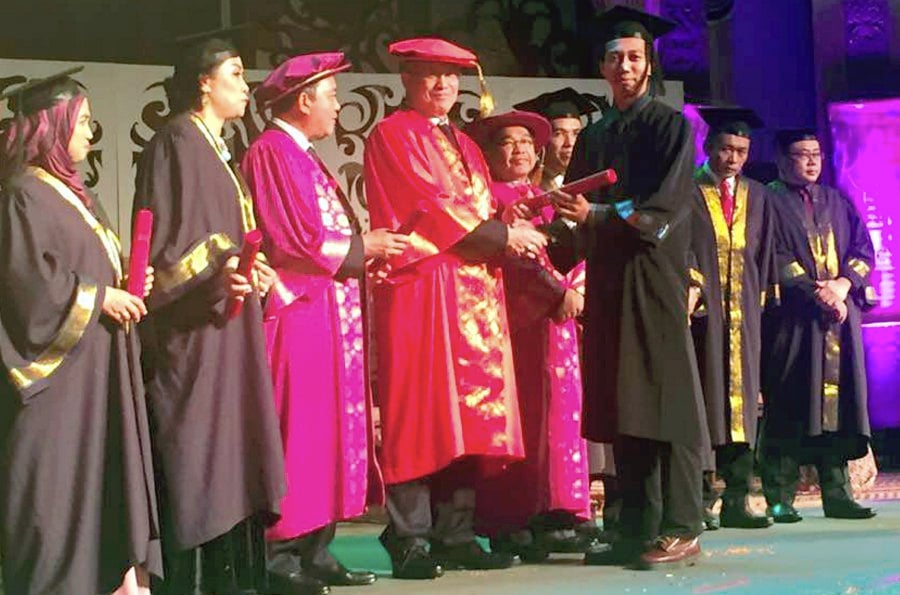
Human Resources Minister Datuk Richard Riot Jaem (centre) presenting a scroll to one of the graduates at the National Dual Training System’s 3rd Convocation Ceremony at Panggung Budaya of the Sarawak Cultural Village. Pix by Goh Pei Pei

Human Resources Minister Datuk Richard Riot Jaem said TVET used to be a second option for those who did not excel academically.

“However, in the past four to five years, we noticed that students who did well academically also enrolled in TVET institutions.

“This show that there the government’s efforts, in raising awareness on the importance and potential of TVET, have worked out positively,” he said.

“Malaysia plans to have 35 per cent of skilled workforce by 2020 in order to achieve a high income nation status.

“I am confident that we can reach our target because our skilled workforce has increased from 28 per cent (in 2015) to 31 per cent this year,” he said.

Many developed countries, Richard said, also emphasised on TVET.

For instances, more then 50 per cent of the workforce in Singapore are skilled workers, he pointed out.

Speaking at the National Dual Training System’s 3rd Convocation Ceremony here, he said academic success is still relevant but there is also a need to have a workforce that is equipped with skills and technical knowledge.

He said an allocation of RM4.9 billion for TVET institutions in the 2018 Budget showed the government’s commitment towards the vision.

“I can assure you that if you are a graduate of TVET, you will have a bright future as the country needs you,” he added.

A total 173 students received their scroll at the ceremony today, having attended various courses including food preparation and presentation, homestay operation, traditional music and dancing performances and audio production.

Source: By Goh Pei Pei –